Introduction
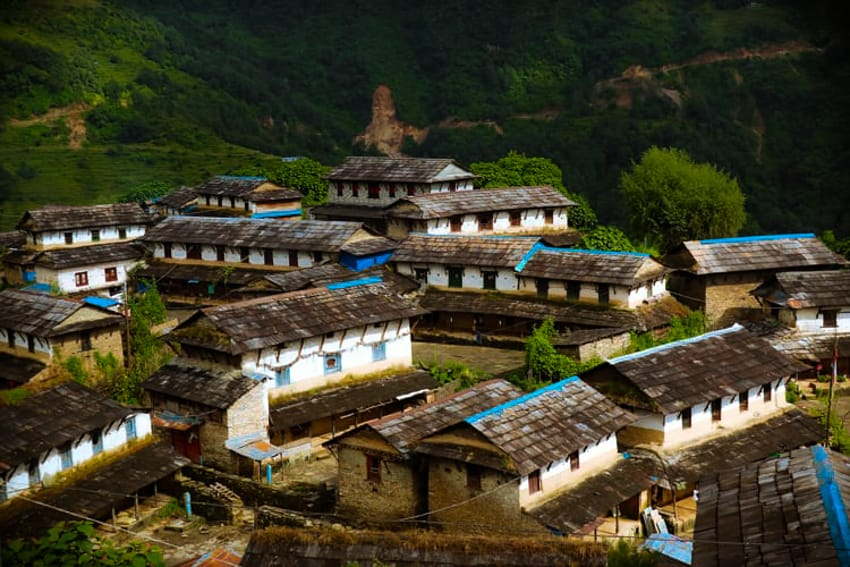
The Gurung community, also known as Tamu, is one of Nepal’s ancient and culturally rich Indigenous communities. Deeply connected with the Himalayan landscape, the Gurung people have a unique heritage shaped by mountains, nature, traditions, courage, and strong community values.
The word “Tamu” is the traditional self-identification used by the Gurung people. The Tamu identity represents not only an ethnic group but also a way of life built upon language, customs, social harmony, respect for nature, ancestral traditions, music, dance, and collective responsibility.
For centuries, the Gurung community has contributed significantly to Nepal’s cultural diversity and national identity. Today, Gurungs are recognized worldwide for their rich cultural heritage, resilience, hospitality, and contributions in various fields including education, medicine, business, arts, public service, and the military.
Origin and History of the Gurung People
The Gurung (Tamu) people are one of Nepal’s Indigenous nationalities with a history that stretches back many centuries. While the exact origin of the Gurung people remains a subject of historical and anthropological research, several respected theories and oral traditions provide valuable insights into their ancestral roots.
Many scholars believe that the ancestors of the Gurung people migrated from the Tibetan Plateau, particularly regions corresponding to present-day southwestern Tibet (China), before gradually settling in the Himalayan foothills of present-day Nepal. This migration is thought to have occurred many centuries ago, likely between the 6th and 12th centuries, although no exact date has been established.
Traditional Gurung oral history also speaks of ancestral migrations across the Himalayas into central Nepal, where the community established permanent settlements. Over generations, Gurungs adapted to the rugged mountain environment, developing a distinctive culture, language, social structure, and way of life closely connected to nature.
The traditional homeland of the Gurung people includes the districts of Lamjung, Kaski, Gorkha, Tanahun, Syangja, Parbat, Manang, Mustang, Myagdi, and Baglung, where many historic Gurung villages continue to preserve their customs and traditions.
Historical traditions also refer to the Ghale rulers, who are believed to have governed parts of ancient Gurung society before the expansion of the Kingdom of Gorkha. These accounts remain an important part of Gurung cultural heritage and oral history.
Although scholars continue to study the early history of the Gurung people, one fact is undisputed: for centuries, the Gurungs have been an integral part of Nepal’s history, contributing to its cultural diversity, defending the nation, and enriching society through their traditions, knowledge, and achievements.
Today, the Gurung community has grown into a global family, with vibrant populations in the United Kingdom, Australia, Japan, Hong Kong, the United States, India, Europe, and many other countries, while proudly preserving their identity and ancestral heritage.
Where Do Gurung People Live?
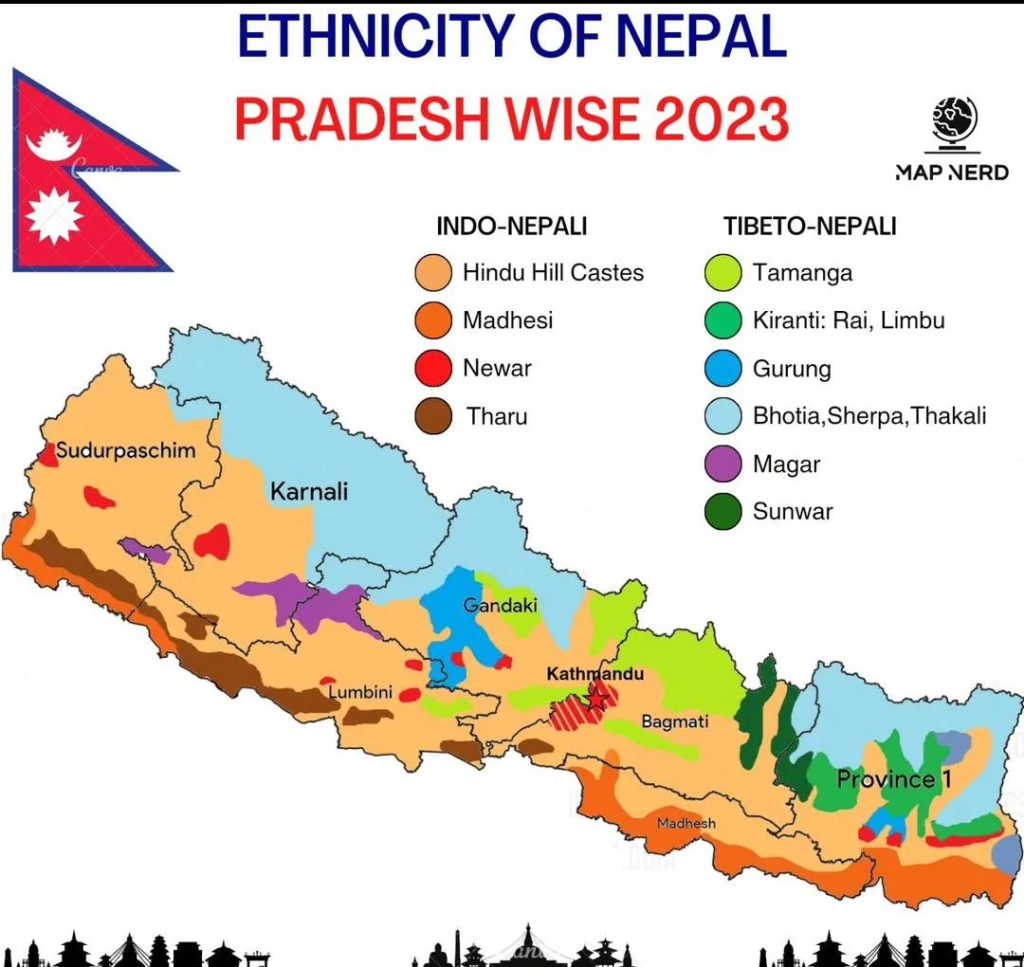
The traditional homeland of the Gurung people lies mainly in the central and western hill regions of Nepal, particularly in the areas of:
- Kaski
- Lamjung
- Gorkha
- Tanahun
- Syangja
- Manang
- Parbat
- Mustang and surrounding Himalayan regions
Many traditional Gurung villages are located among beautiful hills, valleys, and mountain landscapes. These settlements reflect the close relationship between Gurung life and the natural environment.
With migration, education, and global opportunities, Gurung people have established communities throughout the world. Today, significant Gurung populations can be found in:
- United Kingdom
- United States
- Japan
- Hong Kong
- India
- Australia
- Europe and other parts of the world
Overseas Gurung communities continue to preserve their culture through various Tamu Samaj (Gurung Associations), cultural organizations, and community initiatives.
Gurung Language (Tamu Kyi)
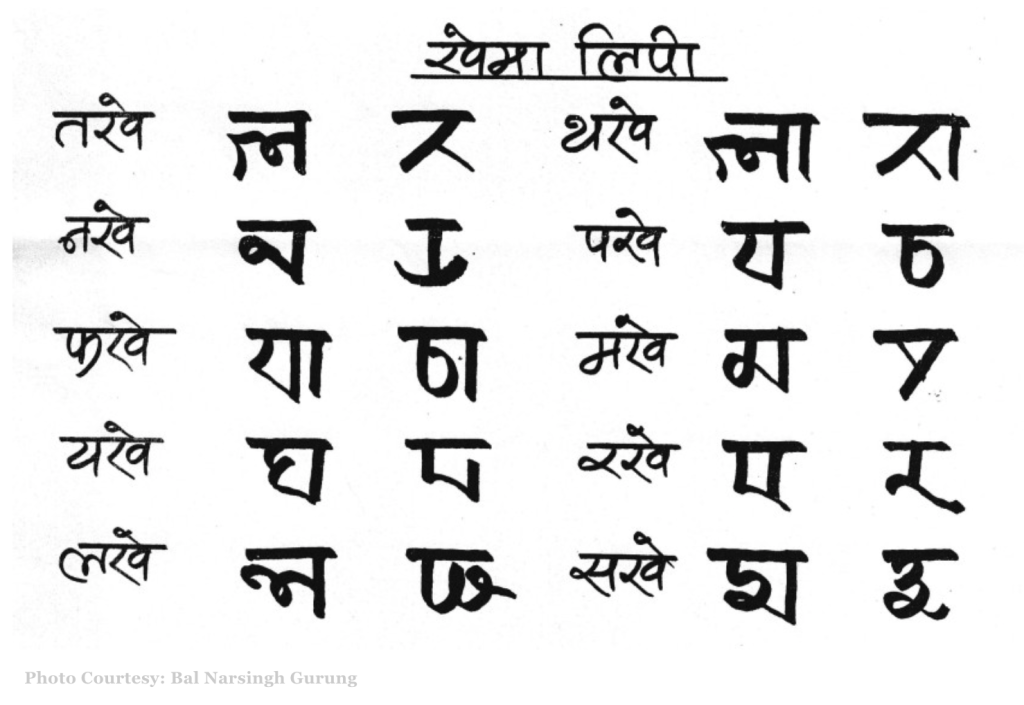
The Gurung language, known as Tamu Kyi, is an important foundation of Gurung identity. It belongs to the Sino-Tibetan language family and carries centuries of cultural knowledge and traditions.
Through their language, Gurung people preserve:
- Traditional stories
- Folk songs
- Proverbs and expressions
- Ritual practices
- Historical memories
- Cultural teachings
Language is considered a bridge connecting younger generations with their ancestors and cultural roots.
Gurung Culture and Traditional Values
Gurung culture is deeply centered around community, nature, respect, and social harmony.
1. Strong Community Spirit
One of the most remarkable characteristics of Gurung society is the importance placed on unity and mutual support. Traditionally, people worked together during farming, village development, celebrations, and social responsibilities.
The belief that “community grows stronger through cooperation” remains a fundamental value of Gurung society.
2. Respect for Nature
Living close to the Himalayas has created a deep relationship between Gurung people and nature. Mountains, forests, rivers, land, and natural forces are respected as essential parts of life.
Environmental harmony and gratitude toward nature remain important cultural values.
3. Hospitality and Respect
Gurung people are widely known for their warmth, simplicity, and hospitality. Welcoming guests, respecting elders, and maintaining strong family relationships are important aspects of Gurung social life.
4. Courage and Service
The Gurung community has a long history of bravery and service, particularly through their contributions to the Gurkha tradition. Many Gurungs have served with distinction in the Nepal Army and British Gurkha forces.
However, the identity of the Gurung people extends far beyond military service. Gurungs have made significant contributions in medicine, education, science, business, politics, arts, and social development worldwide.
Religion and Spiritual Traditions
The spiritual traditions of the Gurung community are diverse and deeply connected with nature, ancestors, and cultural practices.
Traditional Gurung beliefs include respect for:
- Ancestors
- Nature and natural forces
- Local deities
- Spiritual traditions passed through generations
Over time, Gurung society has also embraced influences from:
- Buddhism
- Bon traditions
- Hindu cultural practices
Many Gurung communities maintain strong connections with Buddhist monasteries (Gumbas), Buddhist rituals, and traditional spiritual practices.
Festivals and Celebrations
Tamu Lhosar – The Festival of Gurung New Year
Tamu Lhosar is the most important cultural festival of the Gurung community. It marks the beginning of the Gurung New Year and is celebrated with great enthusiasm in Nepal and around the world.
During Tamu Lhosar, families and communities gather to celebrate through:
- Traditional clothing
- Cultural performances
- Music and dance
- Traditional foods
- Blessings and greetings
- Community gatherings
It is a celebration of identity, unity, and cultural pride.
Like several Himalayan cultural calendars, Tamu Lhosar follows a twelve-year animal cycle, with each year represented by a different animal. These animals are traditionally believed to symbolize particular qualities and characteristics associated with the year.
The cycle includes:
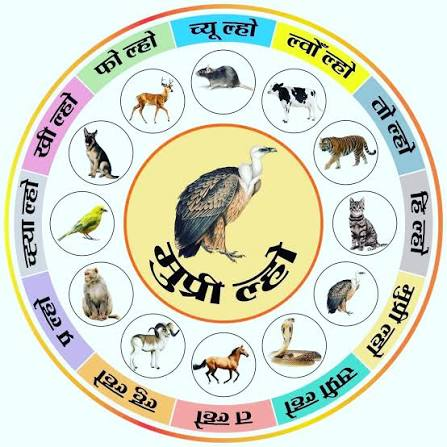
- Mouse (Rat)
- Ox
- Tiger
- Rabbit (Hare)
- Dragon
- Snake
- Horse
- Sheep
- Monkey
- Bird (Rooster)
- Dog
- Boar (Pig)
Each New Year marks the transition from one animal year to the next.
Gurung Music, Dance, and Arts
Music and dance are essential elements of Gurung cultural expression.
Important traditional performances include:
Ghatu Dance
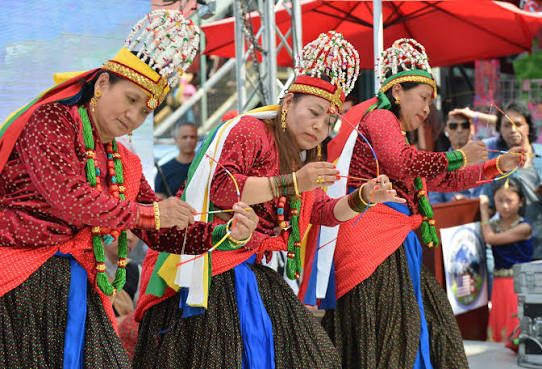
A traditional narrative dance performed with cultural and historical significance.
Sorathi Dance
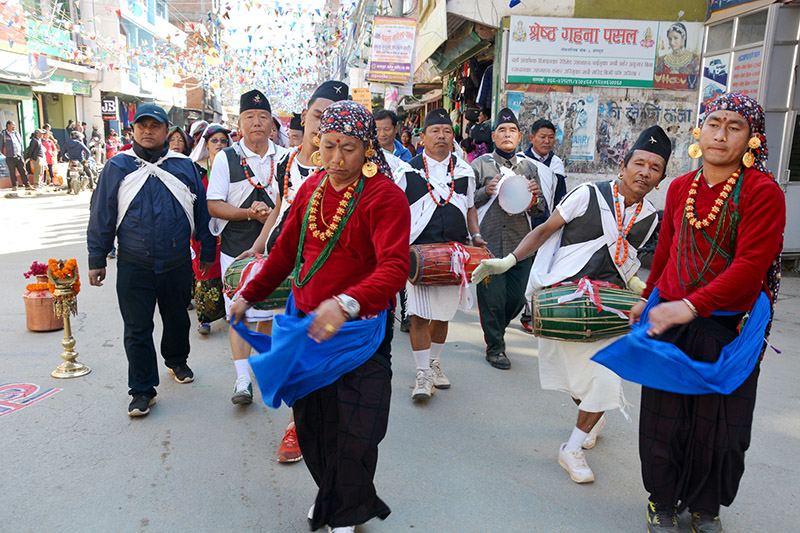
A graceful folk dance representing Gurung traditions and storytelling.
Rodhi Culture
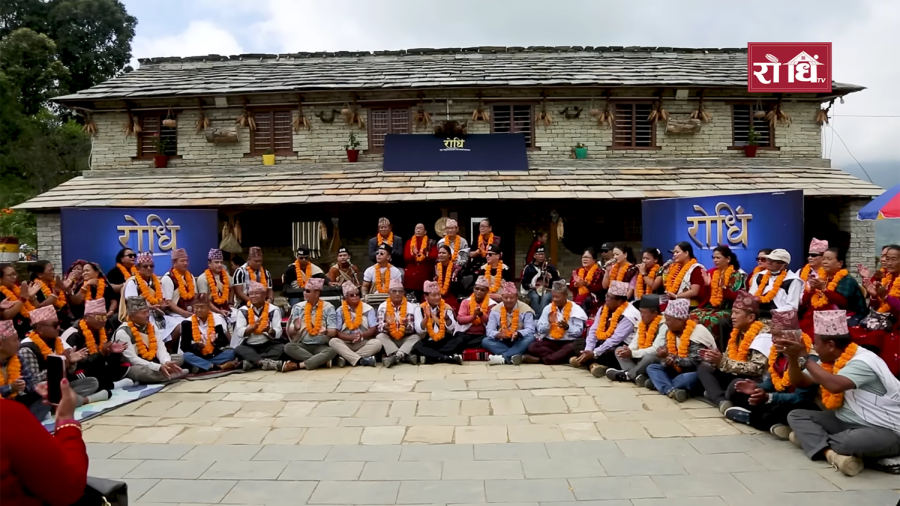
The Rodhi tradition is an important part of Gurung social life, especially among young people. Traditionally, it was a place where people gathered for songs, dances, cultural exchange, and social interaction.
Through music and dance, Gurung people preserve their history, emotions, and collective memories.
Traditional Rituals
One of the greatest strengths of the Gurung community is its rich ceremonial traditions, many of which have been preserved for centuries.
Totey Parba (तोटे पर्व)
Totey Parba is a traditional festival observed by many Gurung (Tamu) communities, particularly in the Gandaki region of Nepal. It is a community celebration that reflects gratitude, togetherness, and respect for ancestral customs.
Although the way it is is celebrated may vary from one village to another, Totey Parba typically brings families and communities together to strengthen social bonds, preserve cultural traditions, and pass ancestral knowledge to younger generations. The celebration often includes traditional music, dances, cultural attire, community gatherings, and the sharing of local food.
Beyond being a festive occasion, Totey Parba symbolizes the importance of unity, cultural identity, and the continuity of Gurung heritage. It remains an important reminder of the community’s deep connection with its history, traditions, and collective spirit.
Arghu (अर्घु)
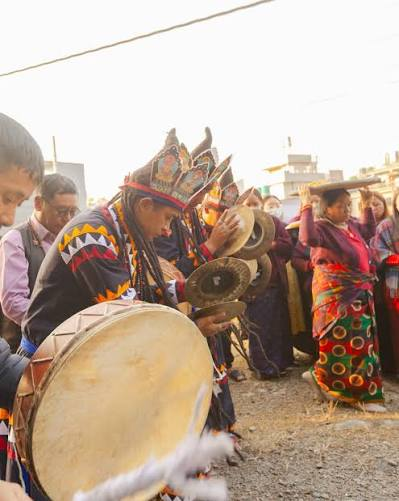
Arghu is one of the most sacred and distinctive traditions of the Gurung (Tamu) people. It is a memorial ceremony held after the passing of a loved one to honour their life, pay respect to ancestors, and guide the departed soul according to Gurung spiritual beliefs.
Unlike a simple funeral ritual, Arghu is a profound expression of love, remembrance, family unity, and respect for one’s ancestors. It brings together relatives, friends, and the wider community to pray, remember, and celebrate the life of the deceased.
Depending on family customs and regional traditions, the ceremony may be performed months or even years after death and is often led by Lamas, Pachyu, or Klebri, according to the family’s spiritual tradition.
Arghu remains one of the most cherished and unique cultural traditions of the Gurung community.
Traditional Dress and Identity
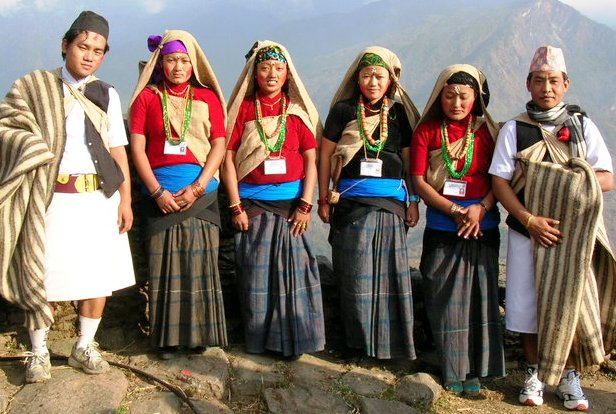
Traditional Gurung clothing represents cultural pride and identity.
Women traditionally wear:
- Ghalek
- Chaubandi blouse
- Patuka
- Traditional ornaments
Men traditionally wear:
- Bhangra or traditional shirts
- Kachhad
- Traditional caps and cultural attire
These traditional dresses are especially visible during festivals, weddings, and cultural events.
What Makes Gurung Culture Unique?
The Gurung community is distinguished by its:
✓ Rich Himalayan heritage
✓ Unique language and traditions
✓ Strong family and community values
✓ Respect for nature
✓ Hospitality and simplicity
✓ Cultural music and dances
✓ Spirit of courage and service
✓ Ability to preserve tradition while embracing modernity
Gurung culture represents a beautiful balance between ancient heritage and contemporary global identity.
Gurung Community Around the World
Today, Gurung people are not limited to their traditional homeland. They have become a global community while continuing to maintain their cultural roots.
Across the world, Gurung organizations and Tamu Samaj work to:
- Preserve the Gurung language
- Promote cultural awareness
- Support education
- Provide community assistance
- Organize cultural celebrations
- Connect Gurung people internationally
The global Gurung community represents unity beyond geographical boundaries.
Our Mission – GurungCommunity.com
GurungCommunity.com is a digital platform dedicated to preserving, promoting, and connecting the Gurung heritage worldwide.
Our mission is to:
- Preserve Gurung history and traditions
- Educate younger generations about their identity
- Connect Gurung communities globally
- Promote cultural knowledge and research
- Highlight the contributions of Gurung people worldwide
Culture is our identity.
History is our pride.
Unity is our strength.
Welcome to GurungCommunity.com — Celebrating the heritage, culture, and global spirit of the Gurung (Tamu) community.